Ayekart bets on asset-light, tech-led platform model to fix agri supply chain
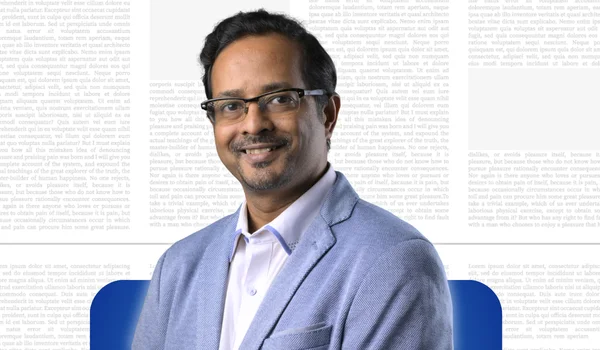
February 13, 2026: Ayekart positions itself as facilitator linking farmers, processors and retailers
Agritech firm Ayekart is positioning itself as a network-driven enabler seeking to address structural inefficiencies in India’s largely unorganised food and agriculture supply chain through its digital agri infrastructure platform.
Launched in September 2021, the company’s core strategy revolves around organising two of the sector’s most fragmented participants -- farmers and last-mile retailers -- through an asset-light, technology-led model.
Drawing from experiences in global payments and network ecosystems, Debarshi Dutta, co-founder and CEO, Ayekart, described the company’s business as that of facilitator rather than a conventional trader or logistics operator. Ayekart’s model connects producers, aggregators, processors, brands and retailers while leveraging existing infrastructure across the value chain.
The company handles about 15 commodities including sourcing of coffee from the Araku Valley, Dutta said. Wheat, maize, paddy, mustard, tapioca, a few spices and some perishables are the other agri commodities it sources from growers and supplies to processors. Recently, the company has supplied commodities overseas and has opened an office in Singapore. “We have interest coming in from the Middle East and Africa as well,” Dutta said.
The company’s sourcing platform works with farmers, FPOs and village level aggregators across 22 states, enabling direct supplies to processors without storage assets. The agri markets continue to operate through multiple layers of intermediaries, creating bottlenecks in aggregation, price discovery, logistics and payments, he said.
Payment assurance:
A central feature of Ayekart’s model is payment assurance, Datta said. Suppliers are paid immediately upon acceptance of goods, irrespective of buyer payment cycles. The company absorbs working capital risks using banking lines, credit insurance and invoice discounting structures. Price volatility, quality variations, seasonality and logistics complexities remain core challenges in agri trade, Dutta said.
Beyond sourcing, Ayekart has expanded into distribution, operating as an authorised channel partner for large consumer goods companies. The firm currently manages more than 40 leased warehouses and supplies products from leading corporates to over 30,000 retailers directly, with an estimated indirect reach of nearly 300,000 retail touchpoints. The platform also services MSMEs and regional brands, offering shared distribution access traditionally dominated by large players.
Technology remains central to the company’s strategy. Proprietary analytics integrate pricing signals, weather interfaces and policy variables to anticipate supply disruptions and price movements. “We are present in around 22 states on the sourcing side and active in the distribution business in around 10 states, mainly in North India,” he said. So far, Ayekart has onboarded over 75,000 merchants and processed over a million total transactions covering over 1,470 pin codes.
Ayekart also runs capacity-building initiatives, working with farmers and FPOs on quality practices, packaging and market engagement. The company says it has trained more than 60,000 farmers and helped FPOs secure grant funding, Dutta added.
